








When the Naira loses value against the US dollar, the same amount of Naira buys fewer dollars. This depreciation highlights why some Nigerians choose to save in dollars. Holding part of your savings in USD can help reduce your exposure to this loss, particularly if you expect to pay future expenses in dollars.
There are several ways to save in dollars in Nigeria; each, however, comes with different fees, requirements, and risks. This guide explains how to save in dollars in Nigeria step by step and compares the available methods.
Why Save in Dollars in Nigeria?
In 2021, the exchange rate was about ₦410 to $1, meaning ₦1,000,000 was worth approximately $2,439. However, as the naira had fallen over the years, the same ₦1,000,000 would only buy about $667 at an exchange rate of ₦1,500 to $1. This shows how the naira’s declining value can reduce the dollar purchasing power of money saved in naira.
Dollar savings can be useful for freelancers and remote workers, people with large savings, and anyone preparing for expenses such as school fees or medical bills priced in dollars.
Food for Thought: Protecting your money from Naira depreciation only makes sense if you can afford to leave it in dollars when exchange rates fluctuate. Keep some months of essential living expenses in Naira before converting additional savings to dollars.
5 Ways to Save in Dollars in Nigeria
| Method | Setup | Fees | Interest / Returns | Access | Best For |
| Domiciliary Account | Bank branch | Varies | Varies, but many banks don’t give yields; for those who do, the range is 0–4% | Bank-dependent | Large dollar balances |
| Fintech Dollar Account (Pouchers) | App-based | ACH: 0.7% (2–10); wire: $15 | None on wallet balance | 24/7 | Freelancers and remote workers |
| Dollar Savings (PiggyVest) | App-based | PiggyVest: 0.3% per transaction, with a minimum fee of $5 and a maximum fee of $25 | PiggyVest: up to 7% p.a. advertised | Flexible | Regular dollar savers |
| Investment Apps (Bamboo, Rise) | App-based | Platform and investment fees | Product-dependent; Rise advertises up to 10% p.a. on certain products. Bamboo Fixed Returns offers up to 7% p.a. | Product-dependent | Long-term investors |
| Stablecoins (USDT, USDC) | Exchange, P2P or wallet | Network and conversion fees. Bybit: withdrawal fees vary by network. | No automatic yield from holding stablecoins, but platforms such as Bybit offer yield products with variable returns. | 24/7, subject to network availability | Crypto-comfortable users |
Method 1: Domiciliary Account
A domiciliary account lets you hold, receive, and send foreign currencies through a Nigerian bank.
Requirements: Bank Verification Number (BVN), National Identification Number (NIN), a valid means of identification (ID), proof of address, and references where required. Some banks require an opening deposit of $50 to $500 and a branch visit.
Pros: Regulated banking, Nigeria Deposit Insurance Corporation (NDIC) deposit protection within applicable limits, and Society for Worldwide Interbank Financial Telecommunication (SWIFT) transfers.
Cons: Typically earns 0% interest. Bank fees apply, and access to physical dollars may be affected by availability and withdrawal policies.
Best for: People holding larger dollar balances who need traditional banking and international wire transfers.
Method 2: Fintech Dollar Account
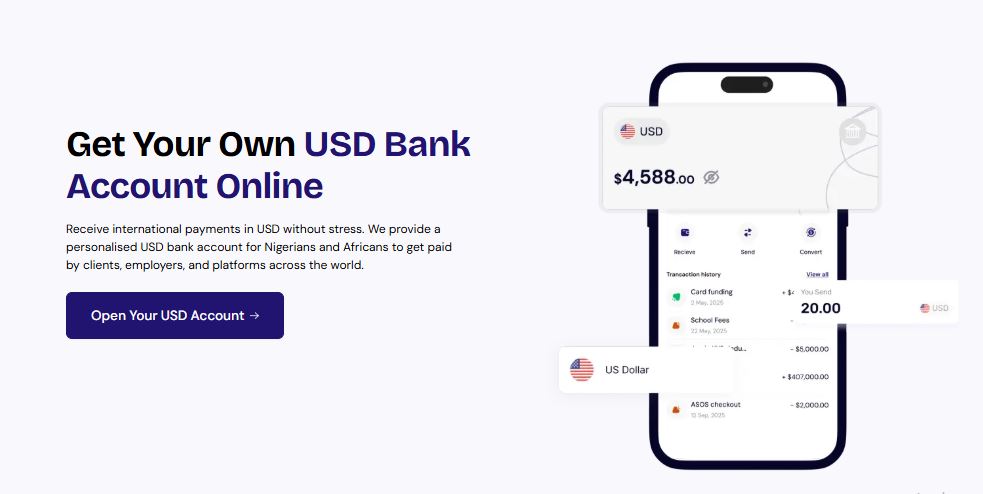
You can open a fintech dollar account through a platform like Pouchers without visiting a bank branch. You can get a Pouchers USD account that includes a US account number and routing number for receiving eligible international payments.
Setup: Sign up on the app, complete identity verification, and activate your USD account.
Features: Receive payments via ACH, FedNow, and wire transfers; convert currencies without conversion fees; withdraw to a Nigerian bank account; and fund a virtual dollar card for international payments.
Best for: Freelancers, remote workers, and professionals who want to receive and manage USD digitally.
Method 3: Dollar Savings and Investment Apps
These apps offer dollar savings or investment products, with different returns, fees, and withdrawal terms.
- PiggyVest Dollar Savings: PiggyVest’s Flex Dollar offers up to 7% annual interest on dollar savings. Funding your virtual dollar account attracts a 0.3% fee per transaction, with a minimum of $5 and a maximum of $25. Naira withdrawals are free, but transferring dollars to your domiciliary account incurs a fee. Dollar availability and rates may vary.
- Cowrywise Dollar Savings: Cowrywise provides access to dollar mutual funds managed by fund managers. Eligible Naira mutual fund investments funded through bank transfer attract a 1.5% processing fee, capped at ₦250. Returns and redemption times depend on the selected fund.
- Bamboo Investment in Nigeria: Bamboo’s Fixed Returns product offers dollar-denominated investments with selectable terms and returns of up to 7% annually. Early withdrawals may reduce your interest earnings, and withdrawal fees apply.
- Rise Dollar Investments: Rise offers managed investments across stocks, real estate, and fixed income. Its Dollar Vault advertises up to 10% annual returns, while management fees and withdrawal terms vary by product.
Best for: People seeking potential dollar returns who understand investment risks and can accommodate withdrawal timelines.
Method 4: Stablecoins
Stablecoins like USDT and USDC are cryptocurrencies designed to maintain a value close to $1. Crypto traders can buy them on exchanges like Bybit through P2P trading, where rates may include a 1% to 3% spread. They can also explore DeFi lending for potential yields, although returns vary and losses are possible.
Alternatively, Pouchers lets you receive USDT or USDC directly into your stablecoin wallet and hold them for as long as you want, without needing to trade crypto or navigate DeFi. You can convert your stablecoins to naira and withdraw to your Nigerian bank account when needed.
Pros: Flexible access to dollar-pegged assets, with optional crypto investment opportunities.
Cons: No NDIC deposit insurance, platform and wallet risks, and no automatic yield on stablecoins held in a standard wallet.
Best for: Crypto traders seeking flexibility and everyday users who want to hold stablecoins without managing crypto investments.
How to Start Saving in Dollars With Fintech Dollar Account (Pouchers)
If you want to save in dollars without opening a traditional domiciliary account, you can use a fintech dollar account like Pouchers. You only need to transfer and convert your naira to USD or keep your dollar earnings in your Pouchers USD account for as long as you want. Whenever you need the funds, simply convert them back. Here’s how to save in dollars using a fintech dollar app as a freelancer in Nigeria:
Step 1: Get started by downloading the Pouchers app from the Google Play Store or App Store. Register for an account if you’re new to the app, or sign in to your existing account.
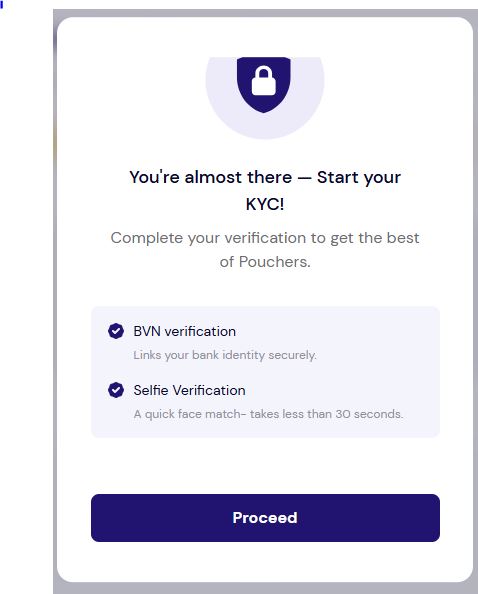
Step 2: Verify your identity using your BVN. Navigate to Settings, open your profile, and choose Verify Now, followed by Proceed. Enter your 11-digit BVN, complete the selfie check, and tap Verify. Ensure your account name matches the name linked to your BVN.
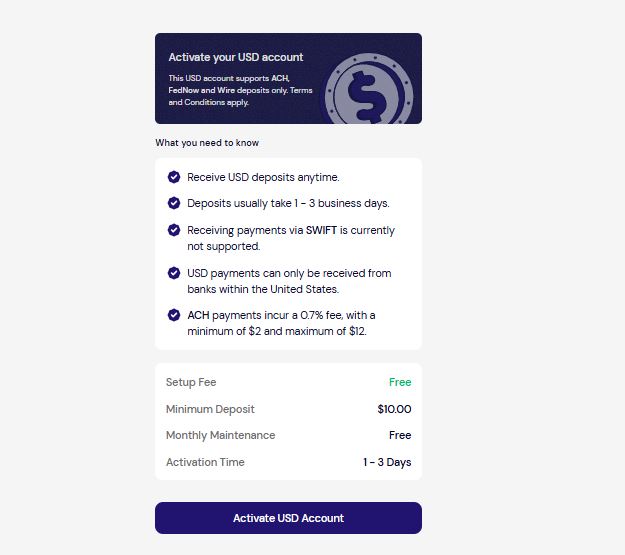
Step 3: Head to the USD section to set up your dollar account. Select USD at the top of the app, go to the Fiat tab, choose Activate Fiat, and tap Activate USD Account.
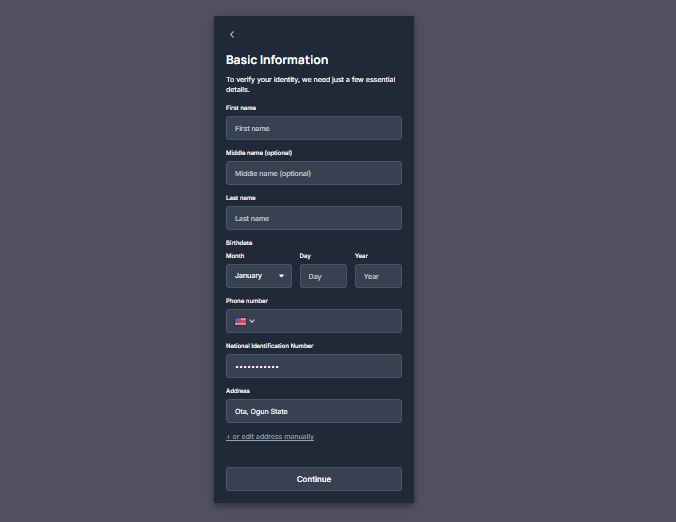
Step 4: Enter your personal details as shown on your identification documents.
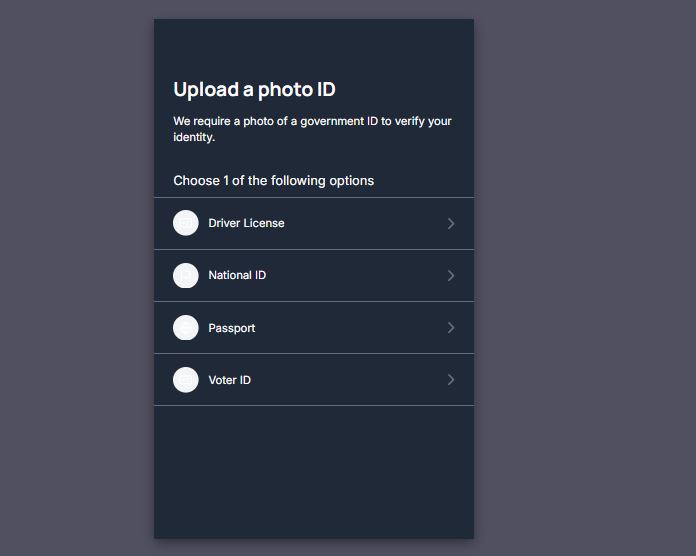
Next, you’ll need an accepted government-issued ID, such as a NIN slip with a QR code, an international passport, or a driver’s licence, as well as a selfie for identity verification.
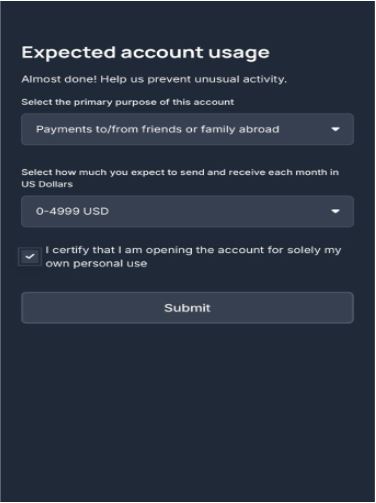
Step 5: Provide the additional information needed to process your application. This includes your source of funds, occupation, employment status, intended account purpose, and expected usage. Accept the personal-use declaration and submit the form for review.
Step 6: After approval, find your USD account details in the app. These include your account number and routing number. To start building your savings, fund your Pouchers naira wallet and exchange your naira balance for dollars. Pouchers advertises zero currency-conversion fees, but check the exchange rate shown in the app before completing the conversion.
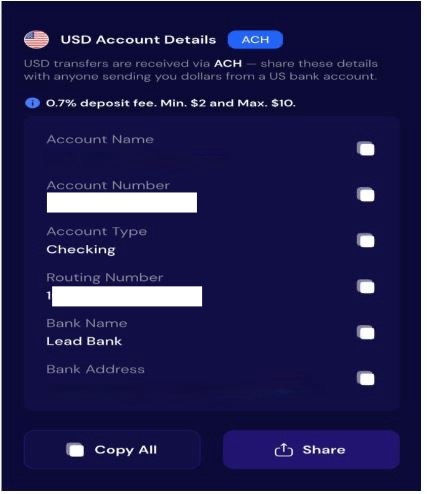
Step 7: Leave your income in your USD wallet for as long as you want to save in dollars. If you want to convert Naira to dollars, transfer to your Naira account on Pouchers, then convert your Naira balance to USD within the wallet.
When you want to use your savings, you simply convert your dollars back to Naira and withdraw to your Nigerian bank account, or pay for eligible international purchases with your Pouchers virtual dollar card.
How to Start Saving in Dollars With Stablecoin (Pouchers)
If you receive payments in USDT or USDC, you can use Pouchers to hold your stablecoins and convert them to USD or Naira when you need the money. This lets you keep your savings in a dollar-pegged digital currency without having to trade crypto or use decentralised finance (DeFi) platforms. Here’s how to get started.
Step 1: Download the Pouchers app and create an account.
Step 2: Get your account ready by completing identity verification. You’ll need your BVN, an accepted government-issued ID, and a selfie. Follow the prompts in the app to complete the process.
Step 3: Navigate to your USD wallet, tap the stablecoin tab, and look for the option to generate a stablecoin wallet address. This address allows you to receive supported stablecoins into Pouchers.
Step 4: Choose USDT or USDC, then select a compatible blockchain network during wallet address generation. Check that the platform or wallet sending your funds supports the same stablecoin and network.
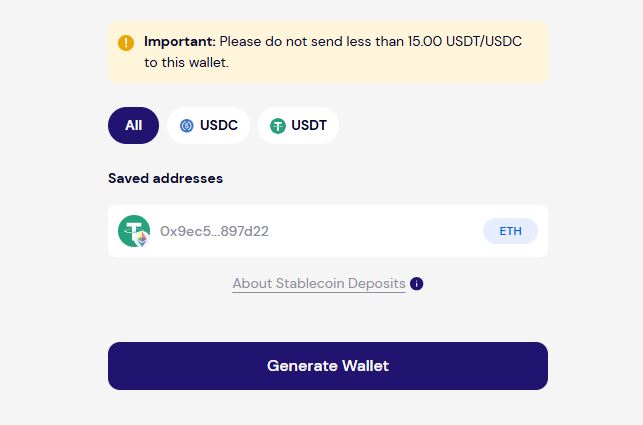
Step 5: Once your address has been generated, copy it and use it to receive your stablecoins. Before sending any funds, confirm that the wallet address, currency, and network are correct.
Step 6: After the transfer arrives, your USDT or USDC can remain in your Pouchers wallet. Remember that stablecoins are digital assets, so their value depends on the issuer and market rate.
Important: Always match the sending and receiving networks before transferring stablecoins. An incompatible network can lead to the permanent loss of your funds.
What to Know Before You Start Saving in Dollars
Before converting your Naira savings to dollars, consider these four things:
- Keep some money in Naira for everyday expenses: If you receive payments from clients in USD, consider converting enough to Naira to cover your rent, food, transport, and other immediate expenses before saving the rest in dollars. But with Pouchers, you can convert your dollar balance whenever you need Naira.
- Check the exchange rate before converting: If you’re converting Naira to dollars, the exchange rate determines how many dollars you’ll receive for your money. Compare the rates offered by different platforms and check for transaction fees before converting, so you can get more value from your Naira.
- Dollar savings are not the same as dollar investments: Holding USD or a dollar-pegged stablecoin can help you preserve value in dollar terms, but it does not automatically generate returns. If your balance earns no interest or investment income, your dollar amount will not grow.
- Understand the risks of investment platforms: Dollar investment platforms carry market and platform risks, so check their fees, withdrawal terms, and potential losses before investing your money.
The $1,000 Comparison: What Each Method Costs
If you have ₦1,350,000 to save in dollars, here is how much of your $1,000 starting balance remains after applicable published fees.
| Method | USD Balance After Fees (including withdrawal fees; excluding exchange-rate differences) | Notes |
| Stanbic IBTC Domiciliary Account | $990 | $10 withdrawal fee. |
| Pouchers | $1,000 | No separate currency-conversion fee. |
| PiggyVest Flex Dollar | $995 | Assumes the $5 minimum fee applies when funding the USD virtual account. |
| Stablecoins (Pouchers, Bybit P2P) | $1,000 | Pouchers charges a 1% fee on incoming stablecoin deposits. Bybit charges 0% P2P taker fees on NGN buy orders, but exchange-rate spreads typically range from 1% to 3%, depending on the individual seller. |
| Bamboo | $949.89 | Bamboo charges a 0.5% currency-conversion fee, subject to a $1 minimum and $5 maximum. Withdrawals to a USD bank account require a minimum of $500 and incur a $45 withdrawal fee. |
With Pouchers, you can convert ₦1,350,000 to dollars without a separate currency-conversion fee. At an exchange rate of ₦1,350 per dollar, you would receive $1,000 before any other applicable charges. Other methods may leave you with fewer dollars after exchange-rate spreads and applicable fees.
When to Choose Each Method
If you want to convert Naira to dollars without conversion fees: Choose Pouchers
Pouchers lets you convert Naira to USD without a conversion fee, with the exchange rate displayed before you confirm. You can keep your balance in dollars and convert it back to Naira when needed.
If you want to receive and hold USDT or USDC: Choose Pouchers
You can receive supported stablecoins directly into your Pouchers wallet and hold them until you are ready to convert them to Naira. Always confirm that the sending and receiving networks match.
If you want to save in dollars and spend internationally: Choose Pouchers
You can hold USD in your Pouchers account and fund your virtual dollar card for eligible international payments, including subscriptions and online purchases. Pay on platforms that accept Visa or Mastercard, and if you opt for the Premium Card, you can also make contactless payments at supported payment terminals.
If you want to hold larger dollar balances with a Nigerian bank: Choose a domiciliary account.
A domiciliary account lets you hold foreign currency through a Nigerian bank. It may suit you if you prefer traditional banking and need to receive or send international transfers. Check the bank’s fees, deposit requirements, and withdrawal terms.
Frequently Asked Questions
1. Is it legal to save in dollars in Nigeria?
Yes. Nigerians can legally hold foreign currency through permitted channels, including domiciliary accounts and eligible financial platforms like Pouchers.
2. How much interest can I earn on dollar savings in Nigeria?
It depends on where you keep your money. A standard dollar balance may earn no interest, while some savings or investment products offer returns. Investment returns vary, so check the product’s terms before depositing money.
3. What is the safest way to save in dollars in Nigeria?
The right option depends on your needs and risk tolerance. Consider a regulated bank or a reputable financial platform, check its applicable protections and withdrawal terms, and avoid keeping all your savings with one provider. Stablecoins also carry risks, including wallet, network, and platform risks.
4. Can I save in dollars without a domiciliary account?
Yes. Fintech platforms such as Pouchers let eligible users hold a USD balance without opening a traditional domiciliary account. Pouchers also supports receiving selected stablecoins, which can be converted through its supported services.
5. How do I start saving in dollars in Nigeria today?
Choose a method based on how you plan to use your savings. If you want to use Pouchers, download the app, create an account, complete identity verification, and activate the relevant USD or stablecoin wallet. You can then fund your account using a supported method and review the exchange rate before converting your money.
Conclusion
The best way to save in dollars in Nigeria depends on how you receive, hold, and use your money. Domiciliary accounts provide a traditional banking option, while fintech platforms offer digital USD accounts and other features. Dollar savings products and stablecoins have different terms, fees, and risks.
For people who receive eligible USD payments and want to hold dollars, convert currencies for free, or spend through a virtual dollar card, Pouchers offers these features in one app.
[Download the Pouchers app to get a USD bank account and Stablecoins wallet today]